Getting found online is not the finish line. For a small business owner, the real goal is direct customers: people who call, book, visit, ask for a quote, buy a product, or save your business for later. Search visibility matters, but visibility without action can become another vanity number.
A salon may appear in a search but lose the booking because prices are unclear. A repair shop may be found but lose the call because the phone number looks outdated. A tutor may get profile views but no enquiries because services are vague. A restaurant may get attention but lose visits because hours, photos, and menu details are weak.
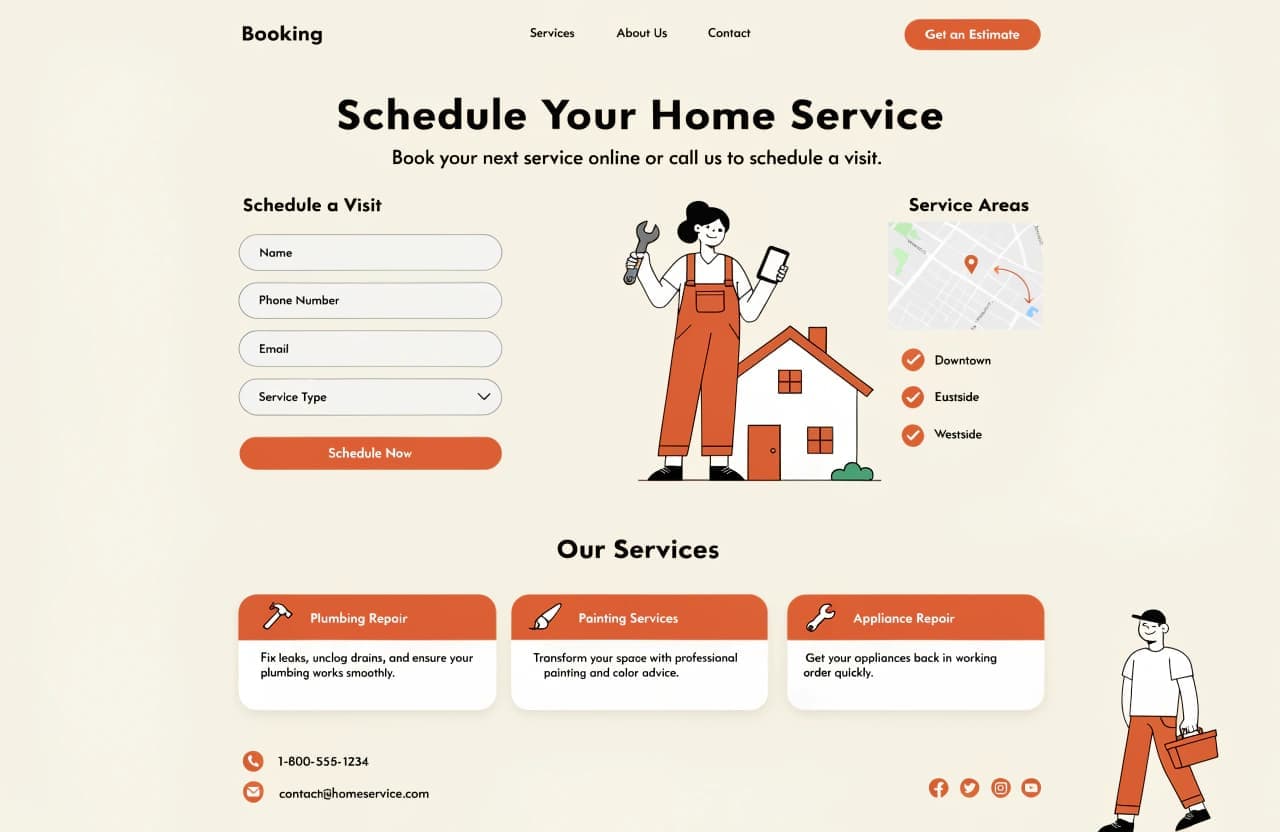
Peeptown is built to help owners turn that attention into a clearer customer path. The owner can build a profile, add services or products, show contact details, answer FAQs, connect booking or payment tools where available, and create a page that feels active instead of abandoned.
Customers search with a job in mind
Most customers do not search just to admire business listings. They search because they need something. They need a haircut, an AC repair, a dentist, a trainer, a caterer, a rental, a cafe, a public relations firm, a cleaning service, a shop, or a specialist they can trust.
That means the business profile must answer the customer’s next question quickly. Do you offer what I need? Are you near me or serving my area? Are you open? Can I book? Can I pay? Can I contact you directly? Do other customers trust you?
When these answers are missing, customers move on. They may not complain. They simply choose a business that makes the next step easier.
A direct customer path needs more than a name
Many online profiles stop at the basics: business name, rough category, location, and maybe a phone number. That is not enough anymore. Customers expect proof, clarity, and convenience before they contact a business.
- Use a clear business description that explains who you serve and what you do.
- Add services or products with useful names, descriptions, and price guidance where possible.
- Use real photos that show the place, team, work, products, or results.
- Keep hours, phone, email, location, and service area current.
- Add FAQs that remove common doubts before customers message you.
- Use reviews and trust signals honestly, without exaggeration.
- Give customers a clear booking, enquiry, call, or payment path.
Local search is still human
Business owners often hear technical SEO words: ranking, backlink, citation, keyword, index, traffic. Those things can matter, but customers are still human. They do not choose only because a profile exists. They choose because the business looks ready, trustworthy, and easy to reach.
This is why a profile created only for SEO is weak. A backlink may help visibility, but a maintained profile helps customers take action. The stronger business owner asks: if a customer lands here today, can they confidently contact us?
That question changes everything. It forces the owner to look at the profile through the customer’s eyes.
Peeptown helps owners control the first impression
A Peeptown Biz profile gives owners one place to organize the information customers need. Instead of leaving scattered details across old listings, owners can claim and maintain a profile that represents the business properly.
Basic profiles can help owners show core information and start building trust. Paid plans can support more services, products, catalogues, bookings, payments, reviews, analytics, and stronger promotional tools depending on the plan. Premium can support custom domain branding, advanced SEO and sharing tools, unlimited services or products, custom booking forms, team access, and a more professional profile presence.
For a new or growing business, that can save time and website cost. Instead of waiting weeks for a full website before going online, the owner can create a working business presence faster.
Direct customers are better than rented attention
Marketplaces and aggregators can bring exposure, but they often control the customer journey. They may show competitors beside you, charge for leads, charge commission, or keep the relationship inside their platform. That can make a business dependent on rented attention.
Peeptown’s direction is different. The goal is to help owners build a direct profile where customers can understand, trust, and contact the business. The owner is not only chasing traffic; the owner is building an asset.
Peeptown does not charge commission on bookings or sales. Payment providers such as PayPal may still charge their own processing fees where payment tools are used, but Peeptown does not take a percentage from the owner’s booking or sale income.
How to turn a search into a customer
Start with the customer’s intent. A person searching for a cleaner wants proof of reliability. A person searching for a dentist wants confidence. A person searching for a cafe wants photos, hours, menu, and atmosphere. A person searching for a PR firm wants services, credibility, industries served, and contact clarity.
Match your Peeptown profile to that intent. Put the most important information first. Use service names that customers actually understand. Add FAQs that answer real concerns. Show current contact details. Make booking or enquiry simple.
Then keep improving. A profile should not be a one-time setup. Update it when services change, prices change, hours change, team members change, or new photos are available. The more alive the profile feels, the more confidence it creates.
What owners should check today
- Search your business name and category like a customer would.
- Open your Peeptown profile and check every contact detail.
- Ask whether your services or products are clear enough for a new customer.
- Check if your hours, photos, FAQs, and social links are current.
- Add booking, enquiry, or payment options where they fit your business model.
- Consider Premium when branding, custom domain, advanced SEO, or a bigger profile matters.
Think by industry, not only by traffic
A direct customer path looks different in each industry. A beauty salon needs service menus, price clarity, portfolio photos, staff trust, and booking. A repair shop needs diagnosis options, turnaround expectations, warranty notes, and fast contact. A tutor needs subjects, age groups, exam preparation details, schedule options, and parent-friendly FAQs.
A cafe needs photos, menu signals, hours, seating information, takeaway details, and neighborhood relevance. A rental business needs location, property type, availability process, viewing steps, and response expectations. A PR firm needs services, industries served, proof of communication discipline, and a realistic explanation of media outreach.
This is why Peeptown’s category and specialization structure matters. Owners can shape the profile around the way customers actually search. The more accurately the profile matches the customer’s intent, the more useful the profile becomes.
Direct customers also need follow-up discipline
Turning searches into customers does not stop when the enquiry arrives. Owners need to respond quickly, keep messages organized, and treat every enquiry like a real opportunity. A customer who asks one question today may become a booking, repeat buyer, referral source, or long-term client.
Use the profile to reduce confusion before the enquiry, then use fast follow-up to protect the opportunity after it arrives. Add FAQs for repeated questions, update services when enquiries reveal new demand, and improve descriptions when customers seem unsure.
This turns the profile into a learning system. Every search, message, booking, and question teaches the owner what customers need next.
Measure the actions, not only the views
Profile views are useful, but owners should care even more about customer actions. Did people call? Did they ask a question? Did they book? Did they click a product? Did they save the profile? Did they mention finding the business on Peeptown? These are stronger signals than traffic alone.
A business owner can use this information to improve the profile. If many people view but few enquire, the offer may be unclear. If customers ask the same question repeatedly, the FAQ needs improvement. If people click services but do not book, the price, trust details, or next step may need work.
The owner who pays attention to actions can steadily turn the profile from a passive listing into a customer-generating system.
The business that answers clearly wins more often
Small business growth is not always about loud advertising. Often, it is about being ready when a customer is already searching. That readiness comes from clarity, trust, and a direct next step.
Peeptown gives owners a way to create that path. A customer finds the business, understands the offer, sees proof, gets answers, and takes action. That is how online searches become direct customers.
FAQ
How can small businesses get more direct customers online?
They should keep business profiles updated, show services or products clearly, add trust signals, answer FAQs, and make calling, booking, or enquiring easy.
Can Peeptown help customers contact a business directly?
Yes. Peeptown profiles can show contact details, services, FAQs, social links, and enquiry or booking paths depending on the owner’s setup and plan.
Is a business profile enough without a website?
For many owners, a strong profile can be a fast starting point. Premium branding and custom domain support can help owners look more professional while they grow.
Does Peeptown charge commission on bookings or sales?
No. Peeptown does not charge booking or sales commission. Payment processors may charge their own fees where payments are used.